


 United States
 Canada
 Australia
 Netherlands
 Ireland
 Japan
 Cyprus
University · Gothenburg
Open the profile →
Fields of study
Countries
Where do you want to study?
Costs, visas and work rights for each country, from official sources.
All countriesPopular destinations
Places to study
Universities, colleges and schools
Every kind of place, at home or abroad, with the official register where there is one.
Browse every placeKinds of place
Scholarships
Help paying for it
Government schemes and scholarships, matched to where you are from.
Find my scholarshipsCosts
What will it cost?
Budget, costs, work rights and deadlines, in your own currency.
All planning toolsGuides
Straight answers
Recognition, entry, language, housing, scams and careers, from official sources.
All guides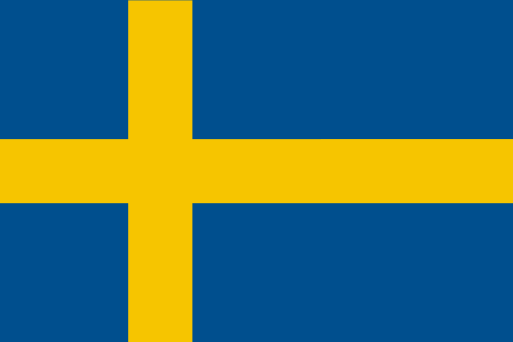 Studying in Sweden
In short: in Sweden, a first year costs about EUR 18,900 to 24,800 (tuition, twelve months of living costs and the visa fee), the student visa asks you to show SEK 127,872 a year, you may work 15 hours a week during term and you can stay 1 year after graduating to work. 78 universities, colleges and schools listed, with the subjects they teach.

Find a place to study
78 places to study, 37 of them universities. Search by name, or start with your subject.
From the official sources in the guide below, checked 24 September 2026. See it in your currency
By subject
Choose a field to see the universities and colleges here recorded as teaching it.
Only subjects that our official course data shows for Sweden are listed. For anything else, open a university and check the course list on its website.
The practical part
Checked against official sources on 24 September 2026. Every figure below says where it came from.
Money you must show
For the whole period of the permit, which is granted for one or two years. Tuition must already be paid and does not count towards this.
Swedish Migration Agency (Migrationsverket), source re-checked 25 October 2026
Visa fee
Residence permit application fee, not a visa fee. SEK 750 under 18.
Swedish Migration Agency (Migrationsverket), source re-checked 25 October 2026
Work while you study
Applies to permits granted on or after 11 June 2026. Before that date there was no weekly cap.
Swedish Migration Agency (Migrationsverket), source re-checked 7 October 2026
Stay after you graduate
Up to 18 months after a doctorate. You must apply before your study permit expires.
Swedish Migration Agency (Migrationsverket), source re-checked 26 October 2026
We re-read these official pages on a rolling basis. When one changes, the new figure is checked by a person before it appears here.
Tuition applies if you are not a citizen of an EU or EEA country or Switzerland. Study in Sweden, the official portal, gives these ranges per academic year:
The average is about SEK 129,000 a year. At the top end, KTH states that the full fee for most two-year master's programmes is SEK 385,000, charged in advance each semester. Always use the fee on your programme's own page, because it varies within the same university.
On top of tuition, you pay an application fee of SEK 900 through University Admissions in Sweden, due by the document deadline.
Living costs. Study in Sweden puts a student budget at about SEK 10,584 a month: accommodation SEK 4,900, food SEK 2,700, local travel SEK 620, phone and internet SEK 400, and SEK 1,964 for everything else. Budget roughly SEK 750 a month more for books, and SEK 50-350 a term for student union membership.
That figure is close to the immigration minimum, so treat it as a floor. Stockholm, Gothenburg, Lund and Uppsala rents push many students well above it, and first-year students who arrive without university housing usually pay more for sublets.
Sweden does not issue a student visa. You apply for a residence permit for studies at higher education from the Swedish Migration Agency (Migrationsverket), normally online, before you travel. The fee is SEK 1,500 for adults and SEK 750 for under-18s, the same online or on paper.
Pay tuition first. Migrationsverket states you must have paid any tuition fees before applying, and that you are only finally admitted once the fee is paid. Apply without proof of payment and you are applying without the core document.
The money. You must show at least SEK 10,656 a month if you apply in 2026 (it was SEK 10,584 for 2025 applications), and it must cover the entire period you are applying for. Permits are granted for one or two years depending on the university, never longer than the studies. Scholarships, grants, student loans from home, sponsorship and your own savings all count and can be combined. Bank statements must be issued no more than four months before the date you want the permit to start.
Health insurance. If your studies last less than a year, you need comprehensive private health insurance covering emergency and other medical care, hospitalisation and emergency dental care.
Processing. At the time of checking, Migrationsverket reported that 75% of recent cases were decided within three months. Apply as soon as you have paid the first instalment.
This changed on 11 June 2026. If your permit was granted on or after that date, you may work at most 15 hours a week during semesters, and without limit in June, July and August. Before that date Sweden had no weekly cap, and students with older permits keep the old terms until they renew, when the new rules apply.
Hours worked in these categories do not count towards the cap, provided the work is at your institution or linked to your programme: education-related work, student representation, administration, traineeships, and research or artistic research. Once you have completed a programme of at least two semesters and hold the diploma, the cap no longer applies.
Migrationsverket is explicit that working more than you are allowed can lead to your permit being revoked or not extended. Do not plan your budget around evening work.
The same reform added study progress requirements: 37.5 credits in your first year and 45 credits a year from the second year onwards. Fall short and the extension can be refused. You must also tell Migrationsverket your address within 30 days of getting a permit or moving, unless you are registered in the population register.
You can apply for a residence permit to seek work for up to 12 months after a bachelor's or master's, and between 12 and 18 months after a doctorate. The conditions:
The fee is SEK 1,500. Since 11 June 2026, switching from a study permit to another permit, such as a work permit, generally also requires a completed programme of at least two semesters, so a short course is no longer a route into work.
No Swedish is needed for the permit or for English-taught programmes. The standard English requirement, called English 6, is set nationally:
Some programmes ask for English 7, which is higher: check your programme.
Swedes speak excellent English, but part-time jobs outside tech and the hospitality trade, and many graduate roles outside multinationals, expect Swedish. Universities run free or cheap Swedish courses; start in your first term if you want to stay.
Most international students apply in the first admissions round through University Admissions in Sweden (universityadmissions.se). For programmes starting in autumn 2027:
A second round opens 15 March 2027 with a 15 April deadline and results on 9 July, but that leaves too little time for tuition payment, a permit decision of up to three months, and housing. Treat the January round as the real one.
The 11 June 2026 rules are recent and your permit date matters. The 15-hour cap, the credit requirements and the two-semester rule for switching permits all apply from that date, and to older permits at renewal. Advice from agents and older forum posts assumes unlimited work. It is wrong now.
Housing in university cities is scarce. Student housing queues in Stockholm, Uppsala, Lund and Gothenburg are long. Before you pay tuition, find out in writing whether your university offers you housing, and on what terms. Never pay a deposit for a sublet you have not seen confirmed through a trusted channel: fake listings targeting incoming students are common in July and August.
The permit comes after payment. You pay the first instalment, then apply, then wait up to three months. Read your university's refund policy for a refused permit before you pay: the conditions and deadlines differ between universities.
Fall behind on credits and your permit is at risk. The new progress requirement of 37.5 credits in year one means failing two or three courses can threaten your right to stay, not just your degree.
Keep your funds visible and your own. The money must be available for the whole permit period. Statements older than four months relative to your start date are not accepted.
| Figure | Source | Checked |
|---|---|---|
| SEK 10,656 a month maintenance, SEK 1,500 fee, three-month processing | Migrationsverket: studies at higher education | 24 Sep 2026 |
| 15-hour cap, credit requirements, 11 June 2026 start date | Migrationsverket news, 25 May 2026 | 24 Sep 2026 |
| 12-month job-seeking permit | Migrationsverket: look for work after studies | 24 Sep 2026 |
| Tuition ranges, SEK 900 application fee, living costs | Study in Sweden: fees and costs | 24 Sep 2026 |
| SEK 385,000 two-year master's | KTH: application and tuition fees | 24 Sep 2026 |
| Autumn 2027 application dates | University Admissions in Sweden | 24 Sep 2026 |
| English 6 scores | University Admissions in Sweden: English requirements | 24 Sep 2026 |
Rules change, sometimes at short notice. Every figure above carries the date we checked it. Check the official source before you rely on it. The maintenance figure is set per calendar year, so applications made in 2027 will use a new amount.
Immigration and fee rules change, sometimes at short notice and sometimes without announcement. Every figure above carries the date we checked it and a link to the official source. Check that source before you rely on it.
Keep up
Rule changes from the official sources in the guide above.
11 June 2026 · work
For permits granted from this date, term-time work is capped at 15 hours a week; previously there was no weekly cap.
11 June 2026 · visa rules
Study progress (credit) requirements added to student permits, applying to older permits at renewal.
11 June 2026 · post-study
Switching from a study permit to a work permit generally requires a completed programme of at least two semesters.
21 January 2026 · language
For TOEFL iBT tests from this date, 4.5 overall on the new 1-6 scale is required, no section below 4.
Money
Sweden is in the European Union. EU and EEA nationals study here on the same terms as local students, including tuition, need no student visa and can work without a separate permit. Students from outside the EU and EEA normally need a visa or residence permit, and in many countries pay different fees: the figures are in the guide above.
Tuition, living costs and the visa fee side by side, in your currency.
Choose your nationality for every government scholarship open to your passport, with deadlines and the official pages.
Something wrong on this page? Tell us and we will fix it.