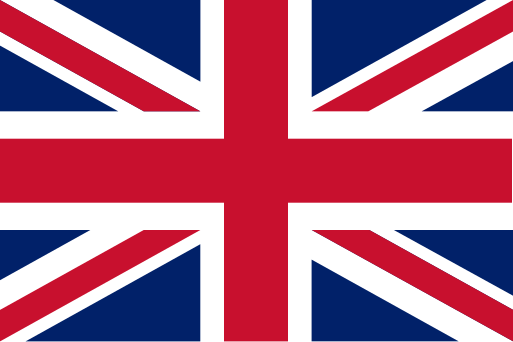



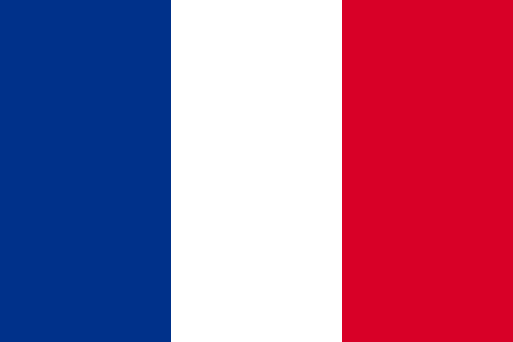

 Australia
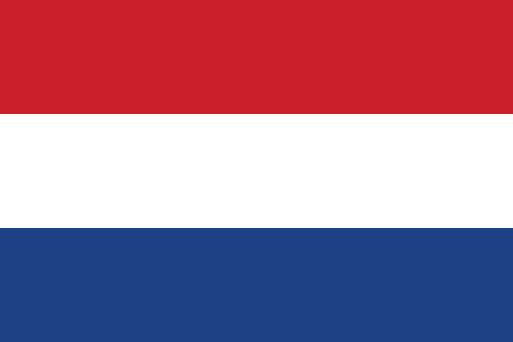 Netherlands
 Ireland
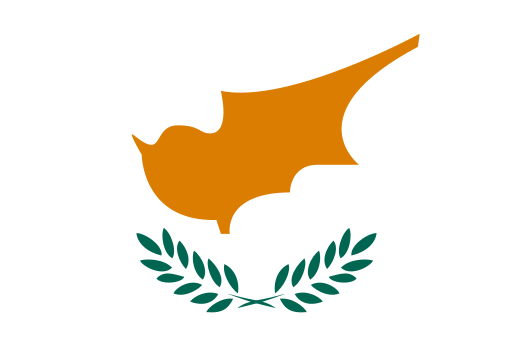 Cyprus
 Student visa for Norway
Money to show for the visa: NOK 170,368 a year for 2026-2027 (NOK 15,488 a month). Work while you study: 20 hours a week in term, full time in holidays. Checked against the official pages on 24 September 2026.
The numbers
- Money you must show
- NOK 170,368 a year for 2026-2027 (NOK 15,488 a month)
- Work while you study
- 20 hours a week in term, full time in holidays
- Stay after you graduate
- Up to 12 months as a job seeker
Study in Norway's figure for 2026-2027. UDI's own page still showed the 2025/2026 amount, NOK 166,859, when we checked. Tuition comes on top.
Study in Norway (HK-dir), checked 2026-09-24
Granted automatically with the study permit. Self-employment is not allowed.
Norwegian Directorate of Immigration (UDI), checked 2026-09-24
Apply before your study permit expires, ideally a month ahead. Full-time or part-time work allowed while you search.
Norwegian Directorate of Immigration (UDI), checked 2026-09-24
Worth knowing: Fees vary hugely between universities since 1 August 2026, and the NOK 5,400 permit fee comes from BI rather than UDI and was not verified.
The visa
Norway does not issue a student visa for degree study. You apply for a study permit (residence permit) from the Norwegian Directorate of Immigration (UDI) through the Application Portal Norway, and pay the fee when you apply.
The fee: we could not verify it. UDI's fee page did not display the amount when we checked, and its study permit page only says a fee must be paid. BI Norwegian Business School states NOK 5,400, "subject to change and non-refundable". Confirm the current amount in the Application Portal before you pay.
The money. You must document enough to support yourself, pegged to full support from the State Educational Loan Fund (Lånekassen). UDI's page showed NOK 15,169 a month, or NOK 166,859 a year, for 2025/2026. Study in Norway gives NOK 15,488 a month, or NOK 170,368 a year, for 2026-2027. If you are applying for 2026-2027 or later, plan on the higher figure and check UDI before you submit.
Accepted sources are student loans, grants, your own money in a Norwegian bank account or the university's deposit account, or a combination. In practice most students transfer the full amount to the university's deposit account, and you should budget for tuition on top. BI, for example, asks bachelor's students to deposit about NOK 315,000 and master's students about NOK 353,000 to cover a year's tuition and living costs, with a transfer deadline of 15 June.
Processing. UDI does not publish a single figure. BI tells its students to allow 8-10 weeks. Your permit card is collected after arrival, when you register with the police or a service centre.
EU, EEA and Swiss citizens
No student visa is needed: citizens of the EU, the EEA and Switzerland may live and study in Norway. For more than three months you normally register your residence after you arrive, and show that you are enrolled, insured and can support yourself.
Where to apply
At the embassy or consulate of Norway that covers your country, or through the visa application centre it names. Book early: in the busiest months appointments can be weeks away. Apply only through the official website; nobody can sell you a faster place in the queue.
Official pages: studyinnorway.no · udi.no · udi.no · udiregelverk.no · regjeringen.no · ntnu.edu. Rules change: confirm on the official page before you apply.
By nationality
 From Algeria
 From Armenia
 From Azerbaijan
 From Bangladesh
 From Brazil
 From Cameroon
 From Canada
 From China
 From Colombia
 From Egypt
 From Ethiopia
 From Georgia
 From Ghana
 From India
 From Indonesia
 From Iran
 From Iraq
 From Japan
 From Jordan
 From Kazakhstan
 From Kenya
 From Lebanon
 From Malaysia
 From Mexico
 From Morocco
 From Nepal
 From Nigeria
 From Pakistan
 From Philippines
 From Russia
 From Saudi Arabia
 From Senegal
 From South Africa
 From South Korea
 From Sri Lanka
 From Syria
 From Tanzania
 From Tunisia
 From Türkiye
 From Uganda
 From Ukraine
 From United Arab Emirates
 From United States
 From Uzbekistan
 From Vietnam
 From Zimbabwe
Questions students ask
How much money do I need to show for a Norway student visa?
NOK 170,368 a year for 2026-2027 (NOK 15,488 a month). Study in Norway's figure for 2026-2027. UDI's own page still showed the 2025/2026 amount, NOK 166,859, when we checked. Tuition comes on top. (Study in Norway (HK-dir), checked 2026-09-24).
Can international students work in Norway?
20 hours a week in term, full time in holidays.
Can I stay in Norway after I graduate?
Up to 12 months as a job seeker.
Do EU citizens need a student visa for Norway?
No. EU, EEA and Swiss citizens may live and study in Norway without a student visa. For a stay of more than three months they normally register their residence after arriving.
This page is general information from official sources, not immigration advice. For a decision about your own case, the official source or a regulated adviser is where that belongs.