





 United States
 Canada
 Australia
 Netherlands
 Ireland
 Japan
 Cyprus
Money you must show
No fixed national figure
You must provide financial proof or a guarantee. A scholarship from your university counts as the guarantee.
Study in Saudi Arabia (Ministry of Education), source re-checked 5 October 2026
Countries
Where do you want to study?
Costs, visas and work rights for each country, from official sources.
All countriesPopular destinations
Fields of study
Courses
Search courses and degree programmesFrom official government registers, datedUniversities
Universities, colleges and schools
Every kind of place, at home or abroad, with the official register where there is one.
Browse every placeKinds of place
Scholarships
Help paying for it
Government schemes and scholarships, matched to where you are from.
Find my scholarshipsCosts
What will it cost?
Budget, costs, work rights and deadlines, in your own currency.
All planning toolsGuides
Straight answers
Recognition, entry, language, housing, scams and careers, from official sources.
All guides Studying in Saudi Arabia
What it takes to study in Saudi Arabia: the money you must show, the visa, work rights and the stay after graduating, from official sources. 88 universities, colleges and schools listed, in Middle East.
No single national register of the institutions licensed to enrol international students is published here, so there is nothing for us to check against and no page below carries a register line. That says nothing about the schools themselves. Look for Saudi Arabia’s own accreditation or quality-assurance body, and ask any institution directly which one recognises it.
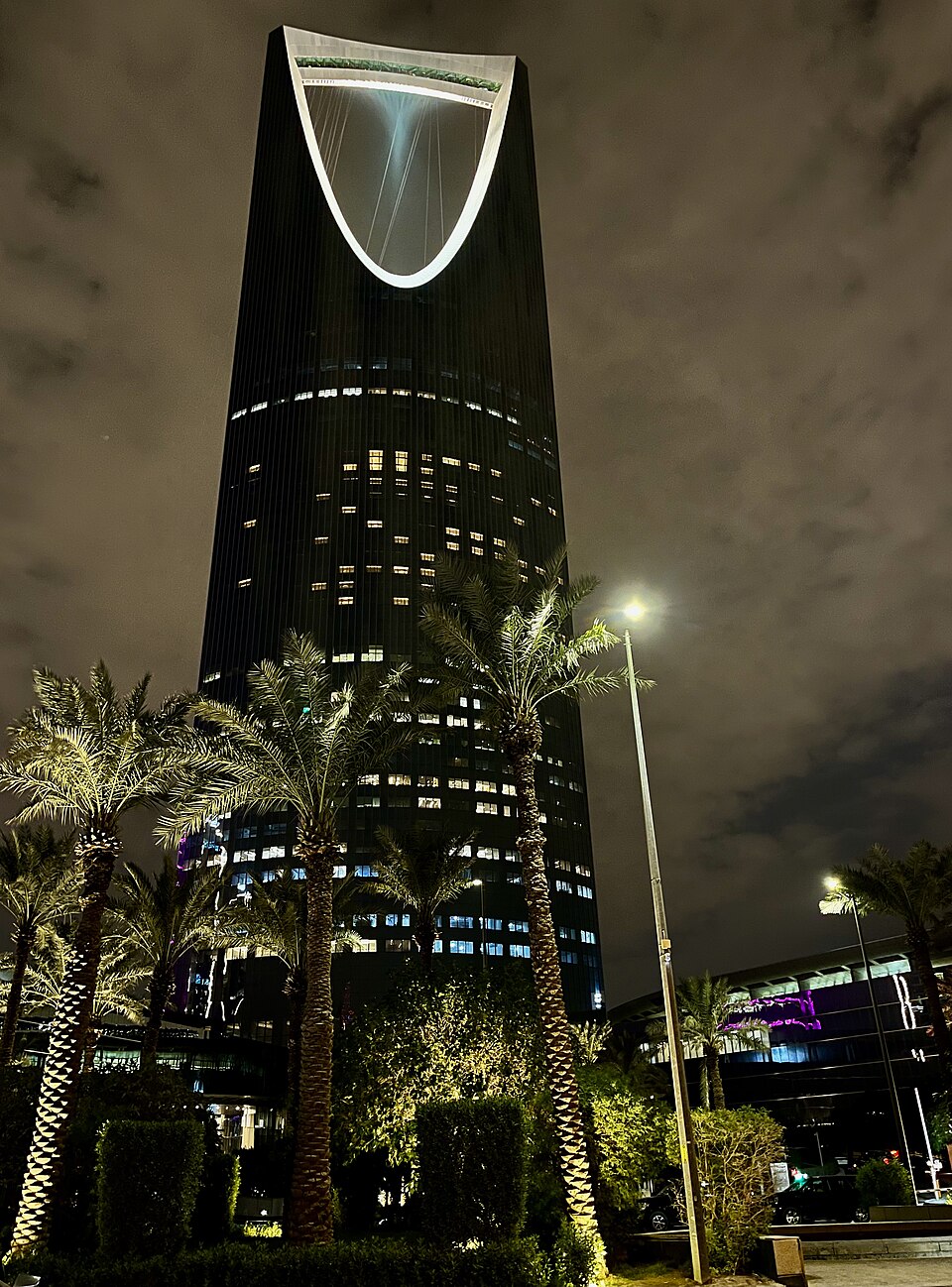
From the official sources in the guide below, checked 24 September 2026. See it in your currency
The practical part
Checked against official sources on 24 September 2026. Every figure below says where it came from.
Money you must show
You must provide financial proof or a guarantee. A scholarship from your university counts as the guarantee.
Study in Saudi Arabia (Ministry of Education), source re-checked 5 October 2026
Visa fee
Ask your university or the Saudi mission handling your application. Fully funded scholarships at public universities and KAUST cover visa and travel costs.
Study in Saudi Arabia (Ministry of Education), source re-checked 5 October 2026
Work while you study
Neither the Ministry of Education nor the Study in Saudi portal sets out work rights. Do not take any job without written confirmation from your university.
Study in Saudi Arabia (Ministry of Education), source re-checked 5 October 2026
Stay after you graduate
To stay and work you need an employer to sponsor a work visa.
Study in Saudi Arabia (Ministry of Education), source re-checked 5 October 2026
We re-read these official pages on a rolling basis. When one changes, the new figure is checked by a person before it appears here.
For most international students at public universities, the question is the scholarship, not the fee. The Ministry of Education describes three routes:
The full scholarship package at public universities includes health care for you and your family members, a financial payment on arrival, housing, annual travel tickets, and the same benefits as other students. Age limits apply: 17-25 for bachelor's degrees and Arabic teaching, up to 30 for master's, and up to 35 for doctoral degrees. You cannot hold two scholarships at once.
KAUST runs its own fellowship for master's and PhD students: full tuition and fees worth up to US$35,000 a year, a stipend of US$20,000 a year for master's and US$25,000-30,000 for PhD students, base accommodation, health insurance, and relocation support covering visa and travel costs. KAUST values the package at US$70,000-80,000 a year.
Self-funded fees are set by each university. Alfaisal University, a private university in Riyadh, publishes:
Summer credits at Alfaisal are charged exclusive of 15% VAT, and all fees must be paid in Saudi riyals.
Living costs. The Ministry of Education and the Study in Saudi platform do not publish a student living budget, and we have not found an official figure. On a full scholarship, housing and health care are provided. If you are self-funding, ask your university for its own estimate and for the cost of on-campus housing before you accept.
The Ministries of Education and Foreign Affairs launched a dedicated study visa service on 1 March 2024, run through the Study in Saudi platform. There are two types:
Requirements for both:
The long-term visa also requires a medical report confirming you are free of infectious diseases, medical insurance, and proof of language proficiency (not required for Arabic-language students).
The money. No fixed amount is published. You need financial proof or a guarantee; for scholarship students, the university's scholarship is the guarantee. If you are self-funding, ask your university exactly what evidence it will submit with your file.
The fee. The Study in Saudi platform does not publish a visa fee. Ask your university's international office or the Saudi mission handling your case. For KAUST fellows, visa costs are part of the relocation support.
No official rule is published. Neither the Study in Saudi platform nor the Ministry of Education's scholarship pages set out whether international students may work, for how many hours, or under what permit. Some private guides claim a general right to part-time work; we could not find an official source for that claim, so do not rely on it.
If you want to work, ask your university whether it offers approved roles on campus, such as research or teaching assistance. Get written confirmation from your university's student affairs office before accepting any paid work, and do not take work off campus on the strength of an agent's assurance.
There is no published post-study work or job-seeking visa. Your study visa is tied to your programme. To stay and work, you need an employer to sponsor a work visa. The route is employer sponsorship, not a graduate permit.
Arabic is the language of instruction for many programmes at public universities, especially in the humanities, law, Islamic studies and education.
English is the language of instruction at KAUST, Alfaisal and in many engineering, science and medical programmes elsewhere. The long-term visa requires proof of language proficiency unless you are coming to study Arabic.
The Hamza test, developed by the King Salman Global Academy for Arabic Language, measures Arabic proficiency from A2 to C1 on the CEFR scale across listening, reading, writing and speaking. Universities and Arabic institutes can use it to assess non-native students; check whether your programme asks for it.
Applications run through Study in Saudi Arabia in fixed windows. The window for semester two of 2026 runs from 16 September to 6 October 2026, for international and resident students. After you submit, your application goes to the institution you chose; you cannot edit it afterwards except for contact details.
Scholarship applications at public universities can also go through the university's own website or the Saudi Cultural Attaché in your country (or the Saudi embassy where there is no attaché), and open according to each academic year's schedule. KAUST and private universities such as Alfaisal run their own admissions.
Age limits on scholarships. Under the Ministry's rules the undergraduate limit is 25, and the master's and PhD limits are 30 and 35. Ask your university which date it measures your age from.
You cannot hold two scholarships at the same time. If you have more than one offer, choose deliberately.
Medical and insurance paperwork. The long-term visa requires a medical report on infectious diseases and insurance. Get the medical done early, from a clinic your university or the Saudi mission accepts.
Annual renewal. The long-term visa lasts one year at a time. Keep your enrolment, insurance and passport in order so that renewal is routine.
Unverified claims about work and fees. Many commercial guides state visa fees, living costs and part-time work rights for Saudi Arabia without citing an official source. Where this guide says no official figure exists, ask your university in writing and keep the answer.
| Figure | Source | Checked |
|---|---|---|
| Visa types, durations, requirements, financial proof | Study in Saudi Arabia, visa options | 24 Sep 2026 |
| Application window 16 Sep to 6 Oct 2026, 50+ universities | Study in Saudi Arabia | 24 Sep 2026 |
| Application process, one scholarship only | Study in Saudi Arabia FAQ | 24 Sep 2026 |
| Study visa service launched 1 March 2024 | Saudi Press Agency | 24 Sep 2026 |
| Scholarship types, benefits, age limits | Ministry of Education, scholarships in public universities | 24 Sep 2026 |
| KAUST Fellowship | KAUST fees and funding | 24 Sep 2026 |
| Alfaisal tuition and fees | Alfaisal University tuition fees | 24 Sep 2026 |
| Hamza test | King Salman Global Academy for Arabic Language | 24 Sep 2026 |
Rules change, sometimes at short notice. Every figure above carries the date we checked it. Check the official source before you rely on it, and note that no official figure is published for the visa fee, proof of funds, student work rights or living costs.
Immigration and fee rules change, sometimes at short notice and sometimes without announcement. Every figure above carries the date we checked it and a link to the official source. Check that source before you rely on it.
Keep up
Rule changes from the official sources in the guide above.
1 March 2024 · visa rules
A dedicated study visa service was launched through the Study in Saudi platform.
What is there
Not every country is mostly universities. The shape of this list tells you what studying here actually looks like.
Money
Where to start
88 in total. Open any one for its profile.
By subject
Nearby
Worth comparing before you settle: tuition, visa rules and work rights differ sharply between neighbours.
Not sure it should be Saudi Arabia? Four questions rank every country for you. Something wrong on this page? Tell us and we will fix it.